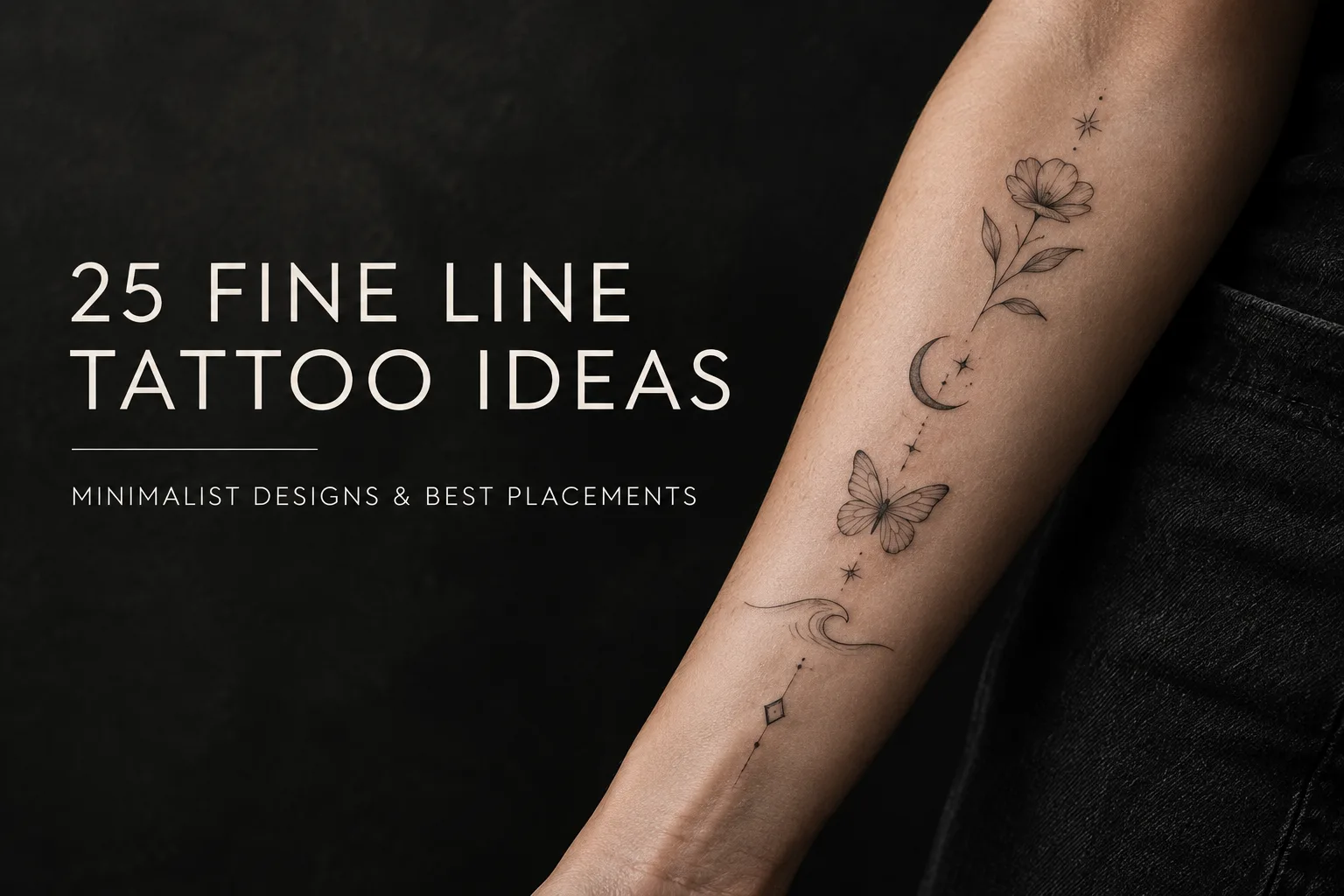
Fine Line Tattoos
25 Fine Line Tattoo Ideas: Minimalist Designs and Best Placements
Explore 25 fine line tattoo ideas, from minimalist flowers to meaningful symbols. Discover design inspiration, placement tips, and aftercare advice.
What a fine line tattoo can be
Fine line tattoos are a popular choice for people who appreciate delicate details, clean outlines, and meaningful designs. From tiny flowers and minimalist symbols to elegant lettering and intricate illustrations, this tattoo style offers plenty of ways to express your personality without relying on heavy outlines or bold shading. Choosing the right fine line tattoo involves more than finding a design you like. The size of the artwork, its placement, the spacing between details, and the experience of your tattoo artist can all influence the finished result. At Leon’s Art Tattoo Parlor, you can use these ideas as inspiration for a design that reflects your personal style and vision.
What is a fine line tattoo?
A fine line tattoo uses thin, precise lines to create delicate artwork. Designs may include simple outlines, botanical illustrations, small symbols, geometric shapes, lettering, or detailed compositions. Unlike styles that rely heavily on thick outlines or bold areas of black ink, fine line tattoos often emphasize simplicity, negative space, and subtle details. Some designs use a single continuous line, while others combine multiple fine lines to create more complex imagery. Fine line tattooing is not limited to tiny tattoos. Larger pieces can also use delicate linework, provided the design has enough space for its details. A well-planned design balances detail with readability. Very small artwork may not have enough room for every intricate element, so an experienced tattoo artist can help adjust the size, spacing, and placement to suit the design.
25 fine line tattoo ideas
The following fine line tattoo ideas range from simple minimalist artwork to more detailed designs. Each option offers inspiration for choosing a tattoo that suits your preferences, personal meaning, and desired placement.
Fine Line Flower Tattoo
Flower tattoos are a lasting option for people who appreciate natural beauty and delicate artwork. Popular choices include roses, daisies, lilies, poppies, and wildflowers. A fine line flower can feature a single bloom, a slender stem, or a small botanical arrangement, and the flower you choose can represent love, growth, remembrance, or a meaningful life experience. Best placements include the inner forearm, upper arm, shoulder, ankle, or collarbone. If you want visible petals and intricate botanical details, give the design enough space rather than making every element extremely small.
Minimalist Butterfly Tattoo
Butterfly tattoos are frequently chosen to represent transformation, freedom, personal growth, or a new chapter in life. A fine line butterfly can use symmetrical wings, delicate wing patterns, or a simple outline, and a more abstract design can feel contemporary. Best placements include the wrist, ankle, inner forearm, shoulder, or behind the upper arm. Keep the wing details balanced with the overall size. Too many tiny lines can make an extremely small butterfly harder to distinguish as the tattoo ages.
Moon and Stars Tattoo
A crescent moon surrounded by a few small stars is an option for anyone drawn to celestial imagery. The moon can symbolize change, reflection, or personal cycles, while stars may represent hope, direction, or inspiration. These meanings are personal rather than universal. Best placements include the inner forearm, wrist, shoulder, ankle, or collarbone. A simple crescent moon with two or three stars can create a clean composition without overcrowding the available space.
Minimalist Mountain Outline Tattoo
Mountain tattoos appeal to people who enjoy the outdoors, travel, adventure, or the symbolism of overcoming challenges. A fine line mountain design might feature a single peak, a distant range, or a simple landscape with a small sun. Some designs use only an outline, while others add a few carefully spaced details. Best placements include the forearm, upper arm, calf, or ankle. A clean silhouette is often more practical than packing numerous tiny trees, rocks, and landscape details into a very small tattoo.
One-Line Face Tattoo
One-line face tattoos use flowing contours to suggest facial features, profiles, or abstract human forms. These designs can feel artistic and expressive while staying minimalist, and they may appeal to people interested in contemporary art or symbolic representations of human connection. Best placements include the forearm, upper arm, shoulder, or calf. Choose a design with a clear visual flow. The spacing and direction of the lines matter when the artwork is meant to remain simple.
Fine Line Snake Tattoo
A snake can represent transformation, renewal, resilience, or personal strength, depending on the wearer’s interpretation. Its elongated shape suits flowing compositions. A fine line snake might wrap around a small flower, curve along the forearm, or form a simple vertical design. Best placements include the forearm, calf, upper arm, or ankle. Consider the natural curve of the body when choosing the snake’s shape so the composition follows the selected area without feeling cramped.
Tiny Heart Outline Tattoo
A simple heart outline is a classic minimalist tattoo that can represent affection, family, friendship, self-love, or remembrance. The design may be a traditional symmetrical heart or a slightly irregular outline, and a small initial or date can be incorporated if there is enough room. Best placements include the wrist, ankle, forearm, or upper arm. Simplicity is the main advantage. A clean outline can be more effective than adding several tiny decorative details.
Roman Numeral Tattoo
Roman numeral tattoos are often chosen to commemorate birthdays, anniversaries, milestones, or dates associated with important memories. Their linear structure suits minimalist designs, and they can be arranged horizontally or vertically. Best placements include the inner forearm, collarbone, upper arm, or ribs. Double-check the date and numeral conversion before the tattoo session, and make sure the lettering is large enough to remain readable over time.
Minimalist Sun Tattoo
Sun tattoos can symbolize energy, optimism, warmth, or new beginnings. A fine line sun may consist of a simple circle with delicate rays, a rising sun, or a more abstract design, and it can stay extremely simple or include a small horizon line. Best placements include the shoulder, upper arm, wrist, ankle, or forearm. Consistent spacing between the rays helps maintain a balanced appearance, particularly in small designs.
Fine Line Ocean Waves Tattoo
Wave tattoos are a natural choice for people who feel connected to the ocean, travel, or the idea of adapting to life’s changes. A minimalist wave can be created with one or two flowing lines, while a more detailed version may incorporate a horizon or a small sun. Best placements include the forearm, wrist, ankle, or calf. The design should have enough room for its curves to remain distinct. A simpler wave outline may work better than a detailed ocean scene at a very small scale.
Birth Flower Tattoo
Birth flower tattoos combine botanical artwork with personal significance. Some people choose the flower associated with their birth month, while others select a flower connected to a loved one or a meaningful memory. The design may feature a single stem, a small bouquet, or multiple flowers representing family members. Best placements include the forearm, shoulder, upper arm, or collarbone. If you combine several flowers, consider whether each bloom will have enough space to remain recognizable.
Tiny Bird Silhouette Tattoo
Bird tattoos can represent freedom, independence, hope, travel, or a personal connection to nature. A fine line design might feature one bird in flight, a small perched bird, or a pair of birds in a simple composition. Best placements include the wrist, shoulder, forearm, ankle, or shoulder blade. A recognizable silhouette often works well for small bird tattoos. Intricate feather details may require a larger design.
Fine Line Dragonfly Tattoo
Dragonflies have delicate wings and an elongated body, which makes them suitable subjects for fine line artwork. Depending on personal interpretation, a dragonfly tattoo may represent change, adaptability, lightness, or a connection to nature. Best placements include the ankle, forearm, upper arm, or shoulder. Keep the wing structure proportional to the body. If the tattoo is small, the artist may simplify the wing details to preserve clarity.
Minimalist Tree Tattoo
A tree can symbolize personal growth, stability, family roots, strength, or a connection to the natural world. Fine line tree designs range from a simple pine outline to a delicate branching silhouette, and some incorporate a small circular frame or a subtle landscape. Best placements include the upper arm, forearm, calf, or ankle. Decide whether the branches or the overall silhouette matter most. Fewer, well-spaced branches may suit a small tattoo better.
Fine Line Feather Tattoo
Feather tattoos are often associated with freedom, lightness, spirituality, or personal growth, although their meaning depends on the individual. A fine line feather can follow the natural shape of the arm or leg and create a narrow composition. Best placements include the forearm, upper arm, shoulder, or calf. Fine feather details require sufficient spacing. Avoid reducing a highly detailed reference image to a size that cannot accommodate its structure.
Minimalist Compass Tattoo
Compass tattoos are popular among people who enjoy travel or want a symbol associated with direction, purpose, and finding their own path. A fine line compass can feature a simple directional star, a small circular compass, or a minimal geometric design. Best placements include the forearm, upper arm, shoulder, or calf. Symmetry and alignment matter. A clean design with a few clear directional points may work better than a tiny compass filled with numerous markings.
Constellation Tattoo
Constellation tattoos offer a subtle way to incorporate astronomy into minimalist body art. Some people choose a constellation connected to their zodiac sign, while others prefer a star pattern with personal significance. A typical design uses small dots connected by delicate lines, although the composition can be adapted. Best placements include the shoulder, upper arm, forearm, or collarbone. Make sure the dots and connecting lines have enough separation, because extremely close details may become less distinct over time.
Fine Line Butterfly Pair
Two butterflies can represent a relationship, a shared journey, personal transformation, or an important connection. They can be similar in size for a balanced composition or different sizes to create a sense of movement. A simple design can be just as expressive as one with intricate wing patterns. Best placements include the forearm, ankle, shoulder, or upper arm. Their direction, spacing, and relative size can change the overall feeling of the tattoo.
Minimalist Angel Number Tattoo
Some people choose repeating numbers, such as 111, 222, or 444, because they associate them with personal milestones, spiritual beliefs, or reminders of a meaningful moment. These interpretations are subjective, and the tattoo can be meaningful even without a spiritual explanation. Best placements include the wrist, forearm, ankle, or upper arm. Select a lettering style that remains easy to read, and avoid an excessively small font simply to fit the design into a narrow area.
Fine Line Ornamental Tattoo
Ornamental tattoos use decorative patterns, symmetry, and flowing shapes to create a refined composition. A fine line ornamental design may feature curved geometry, delicate arches, floral-inspired details, or repeating patterns, and it can be subtle or more elaborate depending on its size and placement. Best placements include the upper arm, shoulder, sternum, or forearm. Symmetry, spacing, and body contours are important. Discuss the design’s proportions with your artist before deciding on the final size.
Tiny Lightning Bolt Tattoo
A lightning bolt is a compact symbol that can represent energy, boldness, change, or a love of striking, simple artwork. The design can be a single outline or a clean filled shape, depending on the preferred style. Best placements include the wrist, ankle, forearm, or upper arm. A clear silhouette is often enough. Adding too many decorative details may take away from the simplicity that makes this tattoo appealing.
Minimalist Leaf Branch Tattoo
A leaf branch can create a delicate botanical design with a natural flow. Popular variations include olive branches, eucalyptus-inspired leaves, and simple stems with alternating leaves. The meaning may relate to growth, peace, renewal, or an appreciation of nature. Best placements include the forearm, collarbone, shoulder, or ankle. A branch that follows the shape of the chosen body area can look balanced without requiring heavy shading or a large amount of detail.
Fine Line Portrait Outline
Portrait outline tattoos use carefully selected contours to suggest a person’s face, profile, or distinctive features. Some designs are abstract, while others aim to preserve recognizable characteristics. People may choose this style to commemorate a family member, partner, friend, or another important person. Best placements include the upper arm, forearm, or calf. Portraits require thoughtful planning. Bring clear reference images and discuss the appropriate size, because highly detailed portraits may need more space than a minimalist outline suggests.
Meaningful Handwritten Lettering
Handwritten lettering can turn a name, short phrase, signature, or personal message into a distinctive tattoo. Using genuine handwriting from a loved one can make the design especially meaningful, or you can choose a clean script or minimalist typeface. Best placements include the forearm, upper arm, ribs, or collarbone. Check spelling, punctuation, capitalization, and line breaks before the appointment, and make sure the letter shapes and spacing suit the intended size.
Custom Symbolic Fine Line Tattoo
A custom symbolic tattoo combines elements that reflect your own experiences, interests, or memories. You might combine a small flower with a date, a wave with a star, or a simple geometric shape with a meaningful initial. The objective is a design that feels personal rather than a symbol chosen only because it is popular. Best placements include the forearm, upper arm, shoulder, calf, or another area that suits the artwork. Bring a few reference images and explain what you want the tattoo to represent so the artist can help simplify or combine the elements.
Where is the best placement for a fine line tattoo?
The best placement depends on the artwork’s dimensions, your preferred level of visibility, the amount of detail, and how the design fits the body’s contours. A placement that works well for a small symbol may not be ideal for a detailed flower or portrait. Before choosing a location, consider both the appearance you want and the practical needs of healing. No placement guarantees that a fine line tattoo will remain perfectly crisp. Your artist should assess the actual design, its size, and the selected body area before finalizing the stencil.
Wrist
The wrist is a popular option for small symbols, initials, simple hearts, and compact designs. Its visibility makes the tattoo easy to see throughout the day, but the area is also exposed to sunlight and frequent movement. Very small, intricate artwork may need to be simplified to remain readable.
Forearm
The forearm offers a versatile area for minimalist artwork, botanical illustrations, lettering, and elongated designs. It provides more space than many smaller placements, which can help when the tattoo includes multiple details. You can choose an inner or outer forearm placement depending on visibility and personal preference.
Upper arm
The upper arm can accommodate both small designs and larger compositions. It is worth considering if you want a tattoo that can be covered by many everyday clothing styles, and the available area also provides flexibility if you decide to expand the artwork later.
Ankle
The ankle can suit small flowers, hearts, butterflies, and other compact designs. Socks and shoes may rub against the area while the tattoo heals, so consider your footwear and daily activities when planning the appointment and healing period.
Collarbone
The collarbone can complement elongated flowers, delicate lettering, and slim ornamental designs. Because the area follows a defined body contour, the tattoo’s length, angle, and positioning can have a significant effect on its appearance.
Shoulder blade
The shoulder blade offers space for botanical arrangements, ornamental artwork, and other designs that benefit from a broader canvas. It can be a good option when you prefer a placement that is less visible in everyday clothing. Plan how you will keep the area clean and follow aftercare instructions during healing.
Ribs
The ribs can accommodate vertical lettering, flowing botanical designs, and other elongated artwork. Pain tolerance varies, and many people find rib tattoos uncomfortable. Clothing, body movement, and access to the area during healing are also worth considering.
Calf
The calf provides room for mountain outlines, botanical illustrations, snakes, and other vertical or moderately detailed designs. Its available surface area may help when you want more detail than a tiny tattoo allows.
How to choose the right fine line tattoo
With so many fine line tattoo ideas available, it can be difficult to decide which design is right for you. These considerations can help narrow your choices.
Choose a design that means something to you
A tattoo can commemorate a person, reflect an interest, represent a life experience, or simply express your appreciation for a particular style. You do not need a deep symbolic explanation for every tattoo. What matters is that you are comfortable with the design and understand why you want it.
Consider the size before the details
A reference image may look beautiful on a screen but become difficult to reproduce at a much smaller scale. If the artwork includes lettering, tiny petals, facial features, or several intersecting lines, ask your artist whether the details need to be simplified or the design enlarged.
Match the design to the placement
Long, flowing designs may suit the forearm or calf, while compact symbols can work well on the wrist or ankle. Think about the direction of the design, how it follows your body’s contours, and whether you want it to be visible or easy to cover.
Review the artist’s work
Look for examples of fine line tattoos completed by the artist you are considering. When possible, review both freshly completed and healed work. Healed examples can help you understand how the artist’s linework looks after recovery, and the photographs should genuinely represent that artist’s work.
Discuss your expectations
Share your reference images, preferred size, desired placement, and any concerns with your tattoo artist. A consultation is an opportunity to discuss what is achievable, which details may need adjustment, and how the final design can suit your preferences.
Do fine line tattoos age well?
Fine line tattoos can remain attractive for many years, but all tattoos change as the skin and ink change over time. Lines may soften, small gaps may become less distinct, and intricate details may become harder to separate. The extent of these changes varies with the original design, tattooing technique, placement, sun exposure, and individual skin characteristics. There is no single rule that determines how every fine line tattoo will age. A responsible artist should explain the limitations of the design and help you make an informed choice rather than promise that a tattoo will look exactly the same forever.
Support a clear design
Choose a size that allows the details to breathe, and avoid unnecessary complexity in very small artwork. Ask your artist about spacing and the suitability of your chosen placement. Follow professional aftercare instructions during healing, protect healed tattoos from excessive sun exposure, and review healed examples of the artist’s work before making your decision.
How to care for a new fine line tattoo
Proper aftercare is important for any new tattoo, including fine line designs. Healing practices should follow your tattoo artist’s instructions and the guidance appropriate to your individual situation. If you experience spreading redness, worsening pain, pus, fever, or other concerning symptoms, seek medical advice promptly.
Keep the tattoo clean
Clean the area as directed by your artist, using clean hands and an appropriate gentle cleansing method. Avoid unnecessary rubbing or scrubbing.
Follow moisturizing instructions
Use the aftercare product and application method recommended by your tattoo artist. Applying excessive amounts of product or introducing unapproved products may irritate healing skin.
Avoid picking or scratching
Peeling, flaking, and itching can occur during healing. Do not pick at scabs or pull away flaking skin, as this may interfere with recovery.
Reduce friction and sun exposure
Choose clothing and activities that minimize rubbing against the tattoo. Avoid swimming or soaking the tattoo until it has healed sufficiently according to your artist’s instructions. Keep a healing tattoo out of direct sunlight, and once it has healed, sun protection can help limit premature fading.
Ready to plan a fine line tattoo
Choosing a fine line tattoo is about more than finding a beautiful reference image. The right design should suit your personal style, fit the chosen placement, and allow enough room for its details. Whether you are drawn to delicate flowers, minimalist symbols, meaningful lettering, or a custom illustration, taking time to plan the artwork can help you make a more confident decision. At Leon’s Art Tattoo Parlor, you can discuss your ideas, share inspiration, and explore a design that reflects your vision.
Frequently asked questions
A fine line tattoo uses thin, precise lines to create delicate designs, including flowers, symbols, lettering, and illustrations. The style emphasizes clean linework and carefully arranged details rather than relying primarily on thick outlines or heavy shading.
Simple flowers, small hearts, minimalist waves, tiny celestial symbols, and clean geometric designs are popular options. The best choice depends on your personal preferences, desired placement, and the amount of detail the design requires.
The forearm, upper arm, shoulder, and calf can provide useful space for fine line artwork. The wrist and ankle may suit smaller designs. Your artist can help select the placement based on the design’s proportions, visibility, and practical considerations.
Fine line tattoos may lose some definition as they age, but the rate and appearance of change depend on technique, design, placement, sun exposure, and aftercare. Review healed examples and discuss long-term expectations with your tattoo artist.
Fine line tattoos can cause discomfort, just like other tattoo styles. Pain varies according to the body area, individual sensitivity, design size, and session length. A smaller tattoo may require less time, but it is not necessarily painless.
The cost depends on the artist, design complexity, size, placement, and studio pricing policy. Even a small tattoo may require careful design work and setup. Contact the studio to discuss your idea and obtain a quote for your specific design.
Yes. A fine line design can be adapted using personal symbols, flowers, dates, lettering, or other elements. Share your ideas and reference images with your artist so the final artwork can be planned around your preferences and the practical requirements of tattooing.
You can bring a sketch, photograph, or collection of reference images to your consultation. Your tattoo artist can discuss how to adapt the concept to your chosen placement, size, and preferred style. Reference images should guide the design discussion rather than replace an original, properly planned tattoo design.
Fine line tattoos appeal to many people, but suitability depends on the design, individual preferences, skin considerations, and the artist’s assessment. Discuss relevant skin concerns or healing considerations with a qualified professional before proceeding.
The initial healing period often takes a few weeks, although complete healing can take longer depending on the tattoo and the individual. Follow your artist’s aftercare instructions and seek medical advice if healing appears abnormal.
For questions about a tattoo idea, contact the studio to discuss your project and next steps.
Contact the studio